In the latest edition of the Henley & Partners Passport Index (October 2025) the global mobility landscape has shifted significantly: Asian passports are now dominant, with Singapore topping the list by granting its citizens visa-free or visa-on-arrival access to 193 destinations, followed by South Korea (190) and Japan (189). Several major European countries (Germany, Italy, Luxembourg, Spain, Switzerland) share the fourth slot at 188.
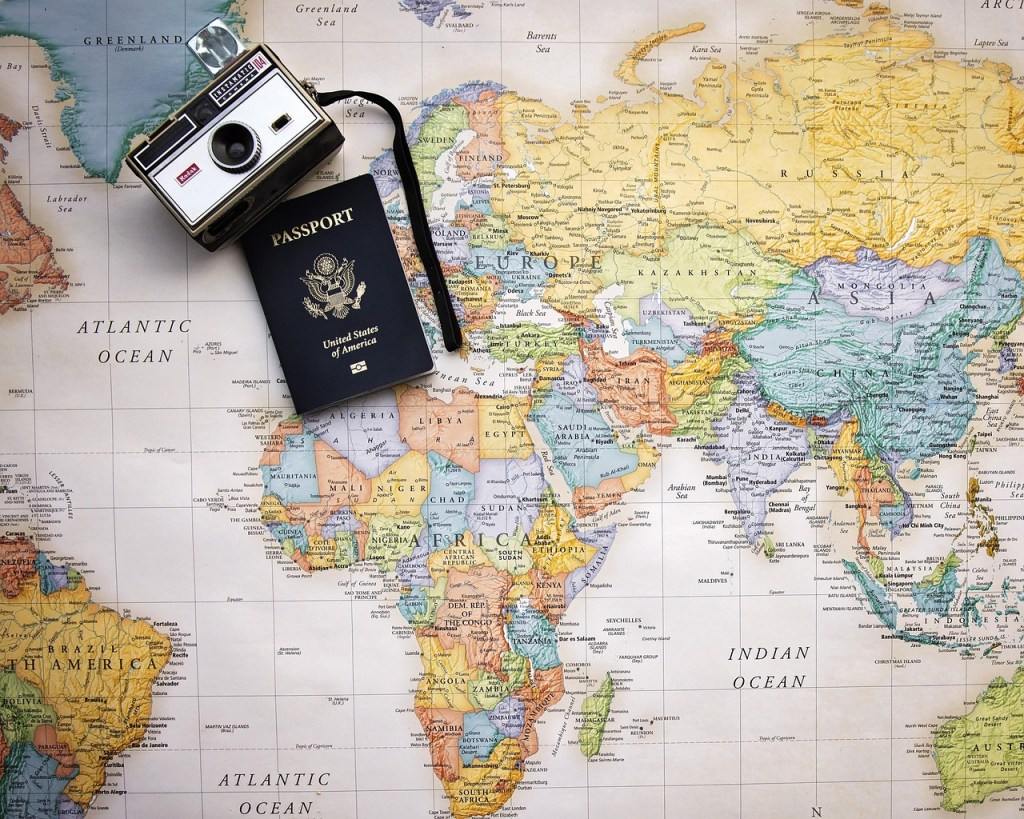
Contrastingly, the once-dominant United States passport has dropped to 12th place (tied with Malaysia) with access to 180 destinations — marking the first time in the index’s 20-year history that the U.S. has fallen out of the top ten.
Analysts attribute this decline to changing visa-reciprocity dynamics, shifts in immigration policy and broader changes in global openness and soft-power relationships. The index underscores how travel freedom is increasingly tied not just to wealth or geography, but to diplomatic posture and bilateral visa arrangements.
Questions: If you could instantly have any country’s passport for one year, which would you pick — and what’s the first place you’d go? If passports came with “travel superpowers,” what would yours be (e.g., skip airport lines, speak every language, teleport past customs)?
Nell’ultima edizione dell’Henley & Partners Passport Index (ottobre 2025) il panorama della mobilità globale ha subito un cambiamento significativo: i passaporti asiatici sono ora dominanti, con Singapore in cima alla lista che garantisce ai propri cittadini l’accesso senza visto o con visto all’arrivo in 193 destinazioni, seguita dalla Corea del Sud (190) e dal Giappone (189). Diversi importanti paesi europei (Germania, Italia, Lussemburgo, Spagna, Svizzera) condividono il quarto posto con 188.
Al contrario, il passaporto degli Stati Uniti, un tempo dominante, è sceso al 12° posto (a pari merito con la Malesia) con accesso a 180 destinazioni, segnando la prima volta in vent’anni di storia dell’indice che gli Stati Uniti sono usciti dalla top ten.
Gli analisti attribuiscono questo declino al cambiamento delle dinamiche di reciprocità dei visti, ai mutamenti nella politica di immigrazione e ai più ampi cambiamenti nell’apertura globale e nelle relazioni di soft power. L’indice sottolinea come la libertà di viaggio sia sempre più legata non solo alla ricchezza o alla geografia, ma anche alla posizione diplomatica e agli accordi bilaterali sui visti.
Domande: Se potessi avere immediatamente il passaporto di qualsiasi paese per un anno, quale sceglieresti e quale sarebbe il primo posto in cui andresti?
 Learn English With Marcus Online