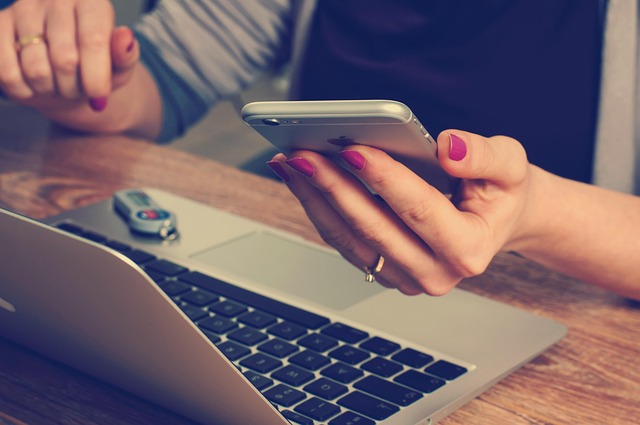
Artist and activist August Lamm decided to give up her smartphone in 2022 after realizing she was spending more time looking at a screen than making art. Instead, she switched to a basic flip phone without internet access, and she now argues that living without a smartphone has improved her friendships, mental well-being and free time. In her new book, You Don’t Need a Smartphone: A Practical Guide to Downgrading Your Phone and Upgrading Your Life, Lamm explains that she initially worried she would lose touch with friends and struggle to discover events, but the opposite happened. Her existing friendships became stronger because people had to call her or meet in person to share news, while meeting new people became easier because she began making actual plans instead of simply exchanging social media accounts. She also found herself more comfortable dealing with boredom, stress and uncomfortable emotions rather than immediately reaching for her phone to escape them. When she feels overwhelmed, she now calls a friend, reads a book, listens to music or goes for a walk. Lamm believes smartphones also create the illusion that people are constantly busy, partly because they interrupt the day with dozens of tiny checks of messages, headlines and social media feeds that gradually consume hours. Without those distractions, she says she has more free time, even during stressful periods. She also believes that relying less on technology has helped her recover everyday abilities, such as remembering information and navigating without digital directions. However, giving up a smartphone can create practical difficulties, including accessing digital tickets, online information and QR-code menus. Lamm argues that these inconveniences are manageable and recommends trying life without a smartphone for a month before deciding it is impossible. Her experience raises a bigger question about modern life: are smartphones genuinely saving us time and helping us connect, or are they quietly taking our attention away from the people and activities that matter most?
Question: Is there anything more important to your every day life than your smartphone? Have you ever given up something in your life that made you feel free?
L’artista e attivista August Lamm ha deciso di rinunciare al suo smartphone nel 2022 dopo aver realizzato che passava più tempo a guardare uno schermo che a creare arte. Ha scelto invece di passare a un semplice telefono a conchiglia senza accesso a Internet, e ora sostiene che vivere senza smartphone abbia migliorato le sue amicizie, il suo benessere mentale e il suo tempo libero. Nel suo nuovo libro, You Don’t Need a Smartphone: A Practical Guide to Downgrading Your Phone and Upgrading Your Life
, Lamm spiega che inizialmente temeva di perdere i contatti con gli amici e di fare fatica a scoprire eventi, ma è successo il contrario. Le sue amicizie esistenti sono diventate più forti perché le persone dovevano chiamarla o incontrarla di persona per condividere le novità, mentre incontrare nuove persone è diventato più facile perché ha iniziato a fare progetti reali invece di scambiarsi semplicemente i profili dei social media. Ha anche scoperto di trovarsi più a suo agio nel gestire la noia, lo stress e le emozioni spiacevoli, piuttosto che afferrare immediatamente il telefono per sfuggirvi. Quando si sente sopraffatta, ora chiama un amico, legge un libro, ascolta musica o fa una passeggiata. Lamm ritiene che gli smartphone creino anche l’illusione che le persone siano costantemente occupate, in parte perché interrompono la giornata con decine di micro-controlli di messaggi, titoli di notizie e feed di social media che gradualmente consumano ore. Senza queste distrazioni, afferma di avere più tempo libero, anche durante i periodi stressanti. Crede inoltre che fare meno affidamento sulla tecnologia l’abbia aiutata a recuperare abilità quotidiane, come ricordare informazioni e orientarsi senza indicazioni digitali. Tuttavia, rinunciare a uno smartphone può creare difficoltà pratiche, tra cui l’accesso a biglietti digitali, informazioni online e menu con codice QR. Lamm sostiene che questi inconvenienti siano gestibili e consiglia di provare la vita senza smartphone per un mese prima di decidere che sia impossibile. La sua esperienza solleva una domanda più grande sulla vita moderna: gli smartphone ci stanno davvero facendo risparmiare tempo e aiutandoci a connetterci, o stanno silenziosamente sottraendo la nostra attenzione alle persone e alle attività che contano di più?
Domanda: C’è qualcosa di più importante per la vostra vita quotidiana rispetto al vostro smartphone? Avete mai rinunciato a qualcosa nella vostra vita che vi ha fatto sentire liberi?
La artista y activista August Lamm decidió renunciar a su teléfono inteligente en 2022 tras darse cuenta de que pasaba más tiempo mirando una pantalla que creando arte. En su lugar, cambió a un teléfono plegable básico sin acceso a Internet, y ahora sostiene que vivir sin un teléfono inteligente ha mejorado sus amistades, su bienestar mental y su tiempo libre. En su nuevo libro, You Don’t Need a Smartphone: A Practical Guide to Downgrading Your Phone and Upgrading Your Life, Lamm explica que al principio le preocupaba perder el contacto con sus amigos y tener dificultades para enterarse de eventos, pero ocurrió todo lo contrario. Sus amistades existentes se fortalecieron porque la gente tenía que llamarla o reunirse en persona para compartir noticias, mientras que conocer gente nueva se volvió más fácil porque empezó a hacer planes reales en lugar de simplemente intercambiar cuentas de redes sociales. También descubrió que se sentía más cómoda lidiando con el aburrimiento, el estrés y las emociones incómodas en lugar de recurrir inmediatamente a su teléfono para escapar de ellos. Cuando se siente abrumada, ahora llama a un amigo, lee un libro, escucha música o sale a caminar. Lamm cree que los teléfonos inteligentes también crean la ilusión de que las personas están constantemente ocupadas, en parte porque interrumpen el día con docenas de pequeñas revisiones de mensajes, titulares y publicaciones en redes sociales que gradualmente consumen horas. Sin esas distracciones, afirma que tiene más tiempo libre, incluso durante los períodos estresantes. También considera que depender menos de la tecnología la ha ayudado a recuperar habilidades cotidianas, como recordar información y navegar sin indicaciones digitales. Sin embargo, renunciar a un teléfono inteligente puede generar dificultades prácticas, como el acceso a boletos digitales, información en línea y menús con códigos QR. Lamm argumenta que estos inconvenientes son manejables y recomienda probar la vida sin un teléfono inteligente durante un mes antes de decidir que es imposible. Su experiencia plantea una pregunta más importante sobre la vida moderna: ¿los teléfonos inteligentes realmente nos están ahorrando tiempo y ayudándonos a conectarnos, o están alejando silenciosamente nuestra atención de las personas y actividades que más importan?
Pregunta: ¿Hay algo más importante para tu vida diaria que tu teléfono inteligente? ¿Alguna vez has renunciado a algo en tu vida que te haya hecho sentir libre?